
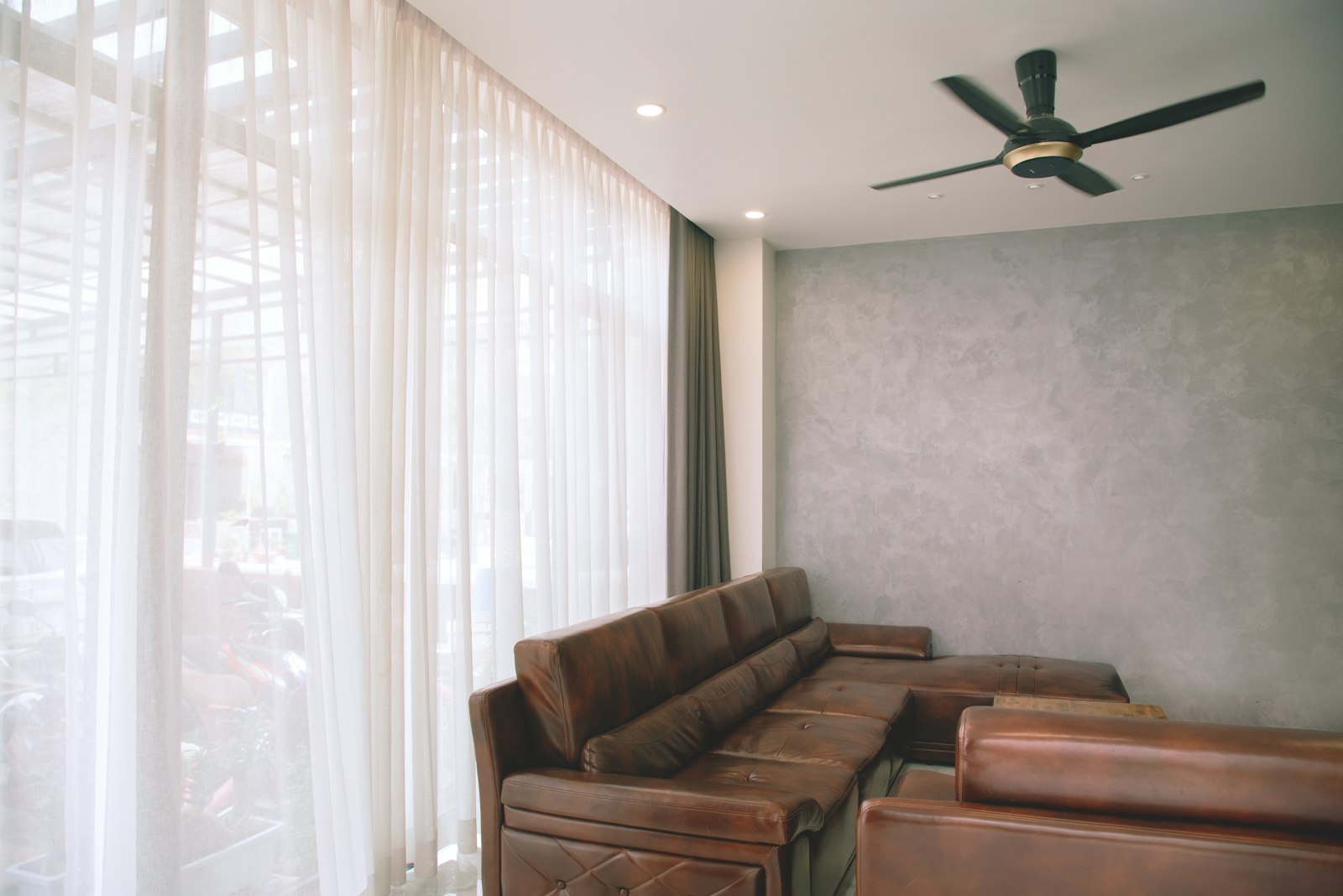
Stand in the middle of your flat and pay attention to how each room feels. Not the temperature — the air itself. The living room usually feels fine. The far bedroom feels heavier. The storeroom smells like it belongs to a different decade.
That difference isn't in your head, and it usually isn't about cleanliness either. It's about where air moves in your home and where it quietly stops.
Air takes the shortest path it can find between two openings. Open the main door and one window on the far side of the flat and you have made a path; the air crossing it will find the gap in under a minute. Open six windows all on the same face and you have made almost nothing, because there is nowhere for the air to go. Plenty of homes here have their windows on a single face, which means a through-path has to be created deliberately rather than assumed.
Once you start thinking in paths, the dead spots become obvious. They are the places the moving air never actually touches:
None of those are unusual. Every flat has a few. The question is what happens in them.
Moving air carries things away. Still air lets them settle. In a pocket with no circulation, the ordinary airborne traffic of a home — skin cells, fabric fibres, fine cooking residue that drifted in weeks ago — comes to rest and simply stays there.
Moisture behaves the same way, and that's the part that matters in our climate. Humid air that can't move can't dry anything out. So the wall behind the wardrobe stays fractionally damper than the wall beside the window, the leather bag at the back of the cupboard develops a bloom, and the corner of the spare room starts to smell faintly of a cupboard rather than a room. Given enough weeks, still and damp is the exact recipe mould asks for, which is why mould removal so often turns out to be needed in precisely the spots nobody looks at.
This is the one that surprises people. A standard split-system aircon doesn't draw in outside air. It takes the air already in the room, passes it over a cold coil, and pushes the same air back out cooler. Useful, but it is a loop, not an exchange.
So a flat that has been sealed and chilled all weekend has not been aired at all. Whatever was floating around on Friday is still in there on Sunday, just cooler and drier at the coil. And because everything in that loop passes through the same filter and the same coil, those two components become the place it all accumulates — which is the honest reason aircon servicing matters more here than it would in a temperate country. The unit isn't just cooling; it is handling the same air over and over.
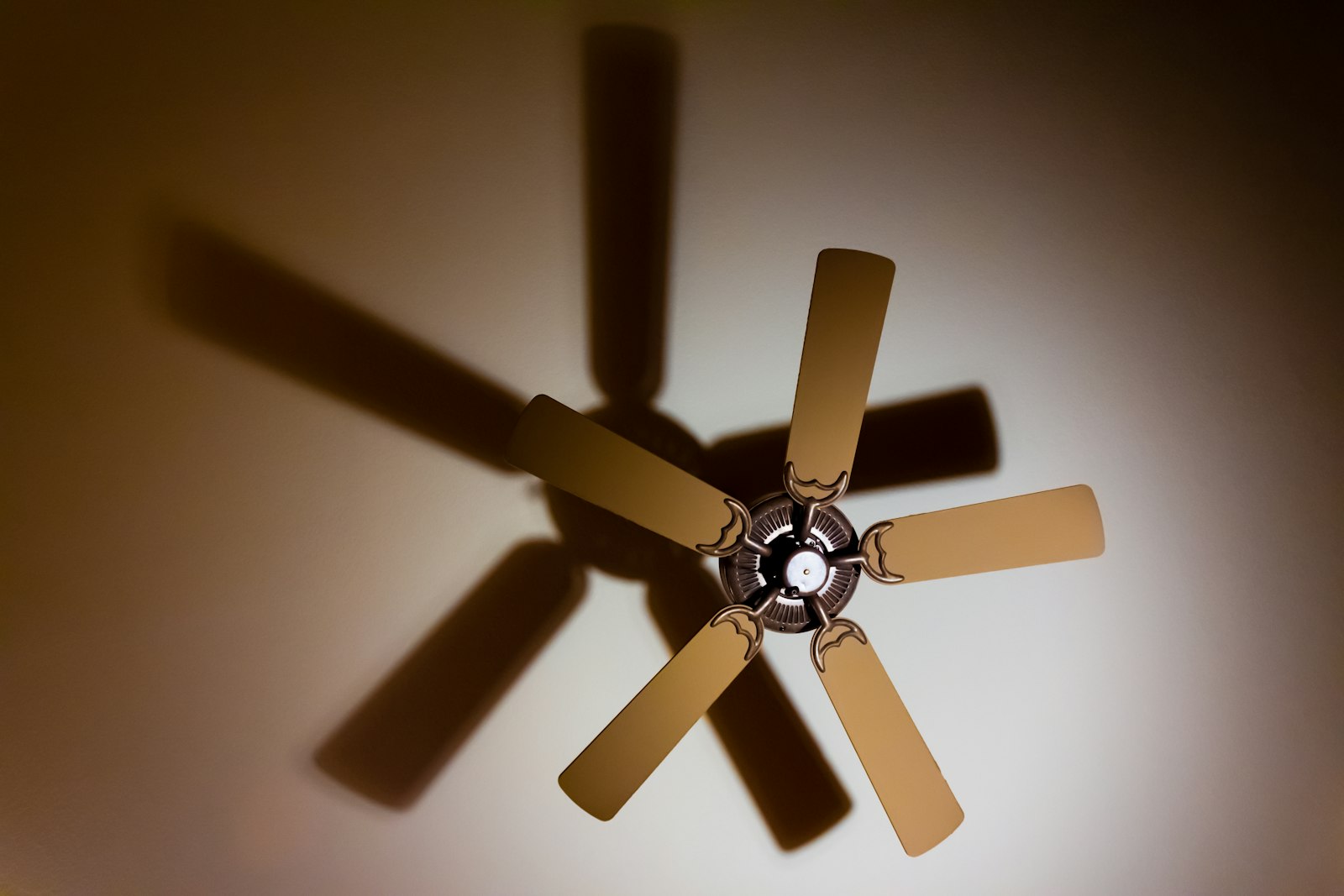
The fix is smaller than people expect. Pick two openings roughly opposite each other and prop everything between them — including the interior doors, which are usually what's actually blocking the path. One window in the stale room, one across the flat, doors wedged, and that room will turn over its air properly for the first time in a while.
A ceiling or standing fan helps more when it's aimed at a doorway than at a person, because then it's moving a room's worth of air rather than cooling one seat. And early morning beats midday: air moves more willingly when the outside isn't hotter than the inside, and you avoid inviting the afternoon's heat in. Ten minutes then does more than an hour at two in the afternoon.
Airing out is prevention, not repair. There's a point past which opening a window achieves nothing, and it announces itself clearly enough: dark speckling on the wall behind furniture, a musty note that comes back within a day of cleaning, clothes or cushions that smell faintly off even after washing.
At that stage the smell isn't in the air, it's in the surfaces, and it needs the surfaces dealt with rather than ventilated. A deep cleaning reaches behind and underneath the furniture that has been sitting still for years, and sofa and mattress cleaning goes after the soft furnishings that have been quietly holding onto it. After that, the ten-minute airing habit is genuinely enough to keep it from coming back.
Go and open two windows on opposite sides of your flat and leave the doors between them wedged. You'll feel the difference in about a minute — and if some corner of the place has been stale for longer than that will fix, you can book your next clean and start it from a clean baseline.


.png)


