
Open almost any machine in your flat and you will find, somewhere inside it, a part that was designed to get dirty. Not a part that gets dirty by accident — a part whose whole job is to collect the things you would rather not breathe, eat or walk through.
It is a quietly clever piece of design, and it comes with one condition attached: somebody has to empty it. Every filter in your home was drawn up by an engineer who made a handful of assumptions about the person who would end up owning it. It is worth asking how many of them hold true in your flat.
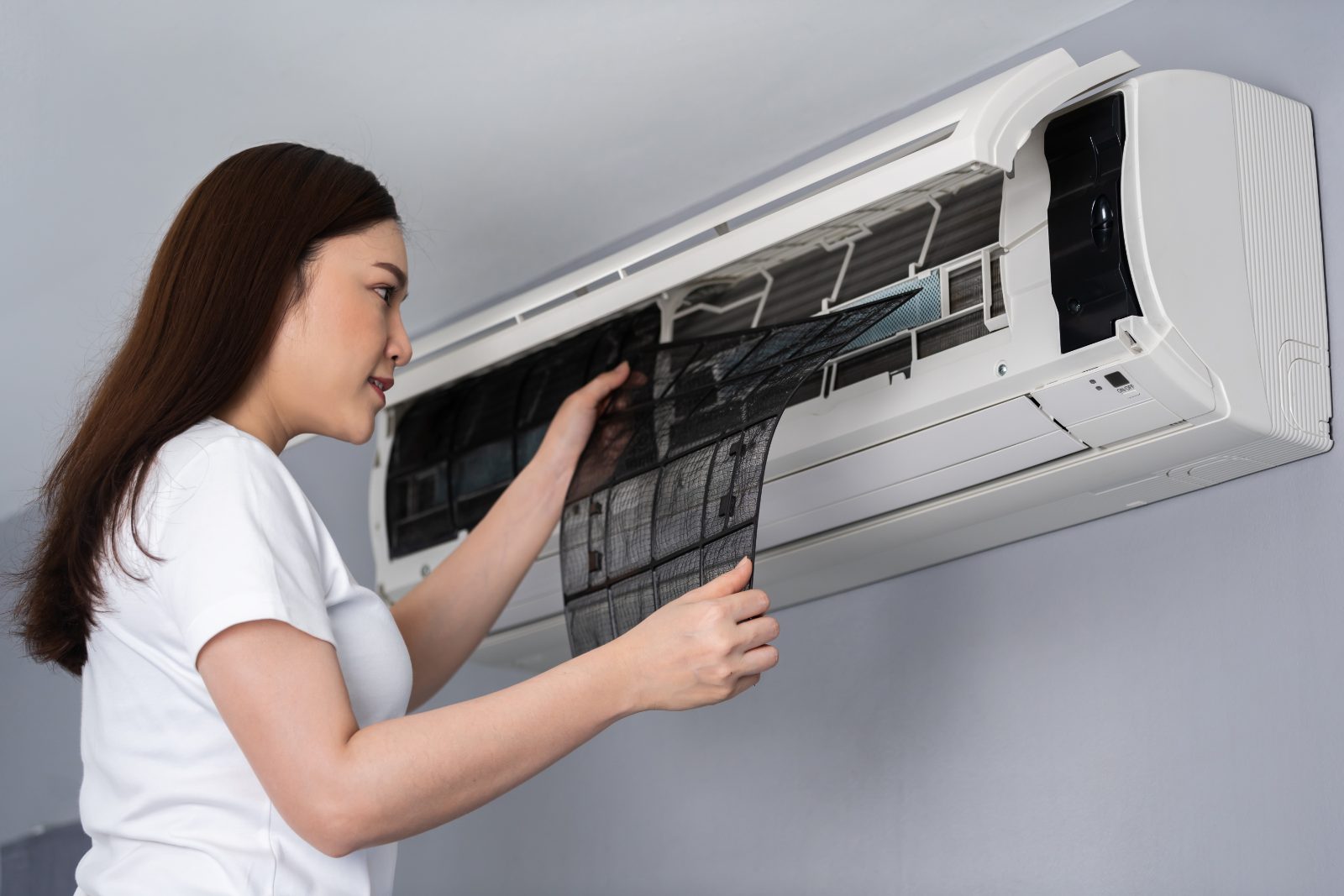
The aircon filter is the famous one, and even that catches people out — it slides out from behind the front flap, and in a Singapore flat it works harder than any other filter in the house. The rest keep a much lower profile.
Six is a conservative count for a four-room flat. Most of us have cleaned one.
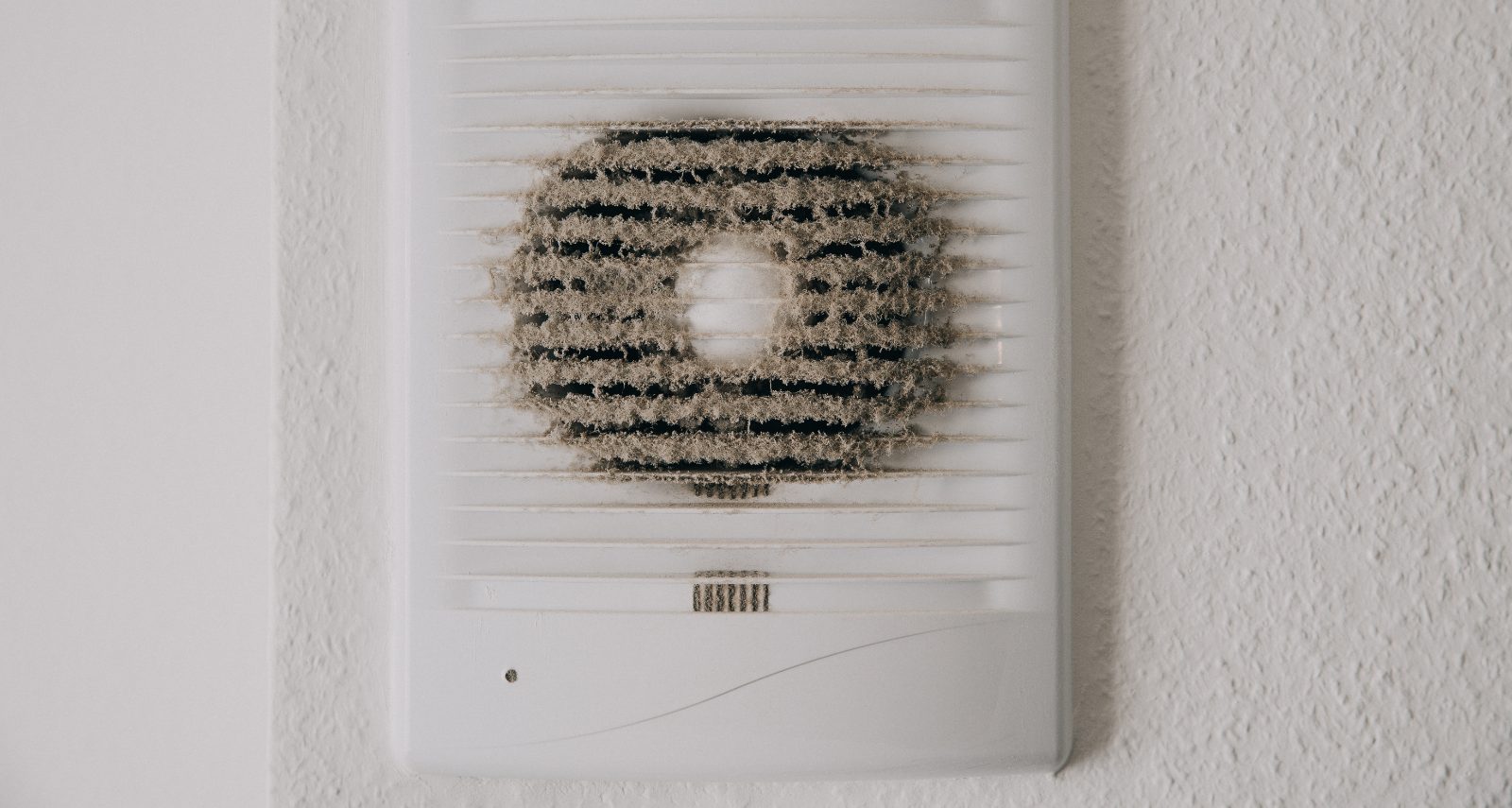
This is the assumption that fails hardest. A blocked filter does not announce itself the way a blocked drain does. The machine carries on running — it simply runs hotter, louder and less effectively, dragging air through a felted mat of dust. Worse, a little of what it spent the last year collecting gets pushed back out into the room.
So the symptom surfaces somewhere else entirely. A bedroom that takes half an hour longer to cool. A kitchen still smelling of last night's dinner at breakfast. A vacuum that seems to be moving dust around rather than removing it.
Some filters are generous about this. A flap, a clip, a rinse under the tap, ten minutes, done. Others were drawn on the assumption that a technician would be the one opening them.
The coil and blower sitting behind your aircon's filter belong firmly to that second group. The filter catches the big stuff; the fine particles that slip past settle on the fins and in the drainage tray, where no household tool can follow them. That is the point at which aircon servicing stops being a nice-to-have and becomes the only way the unit actually gets clean.
In a kitchen, it rarely is. Cooking oil rises, cools on the hood's metal mesh and sets into a film that warm water slides straight across. Give that a few months in a flat where someone fries most evenings and the mesh stops working as a filter altogether. It becomes a lid with a nice pattern on it.
The same film lands on the tiles, the cabinet doors and the ceiling above the hob, which is why the degreasing half of a kitchen usually arrives with deep cleaning, while a steady housekeeping visit is what keeps it from setting in the first place.
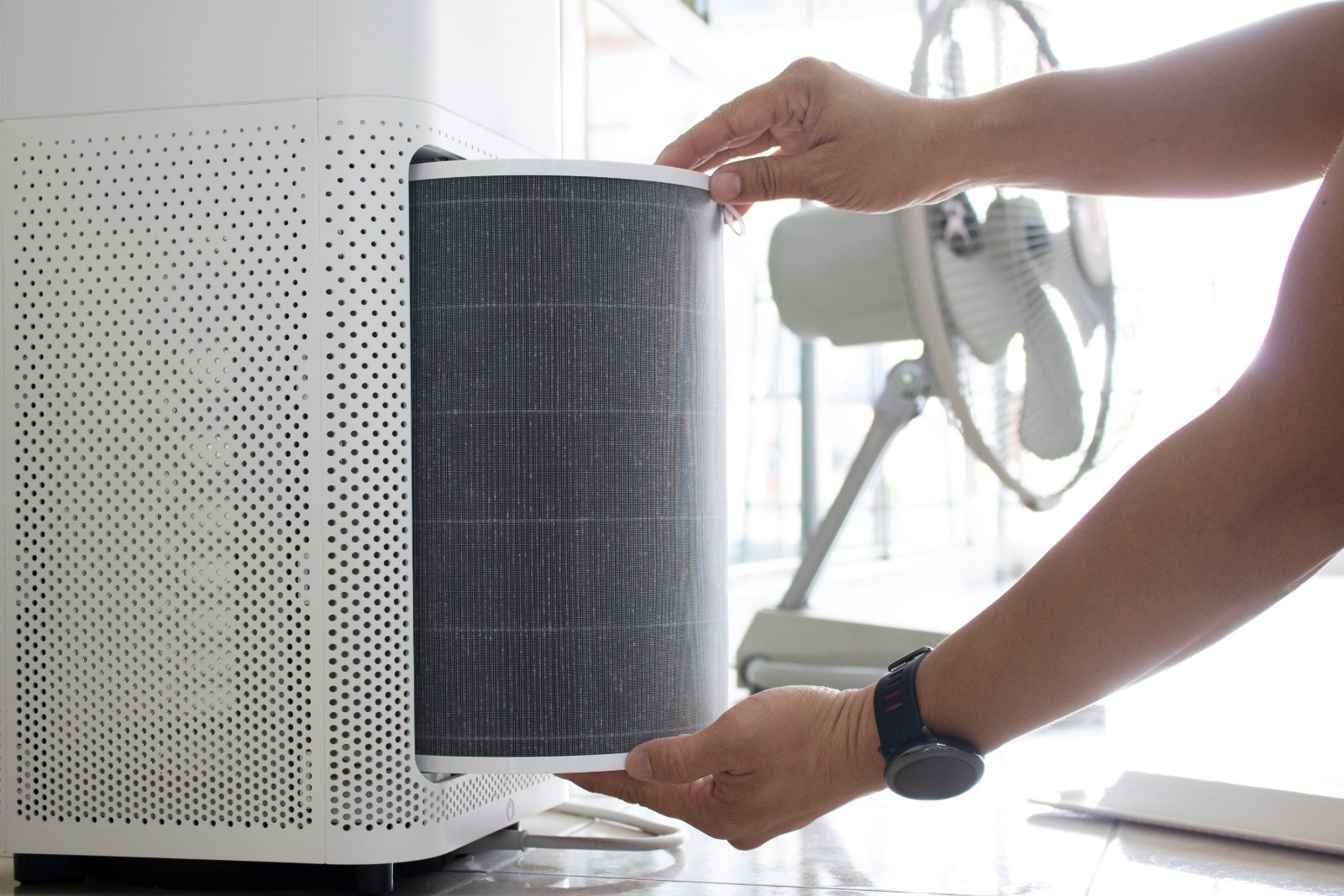
Take the list above and open all six. Some will be perfectly fine. One or two will be genuinely shocking, and those are the ones quietly costing you — in electricity, in air, and in the hour you spend cleaning a room that a working filter would have kept cleaner on its own.
Wash what washes, replace what has had its day, and hand over the ones that live behind a panel. And when you would rather the whole lot were simply dealt with properly, you can book your next clean and get on with your evening.


