
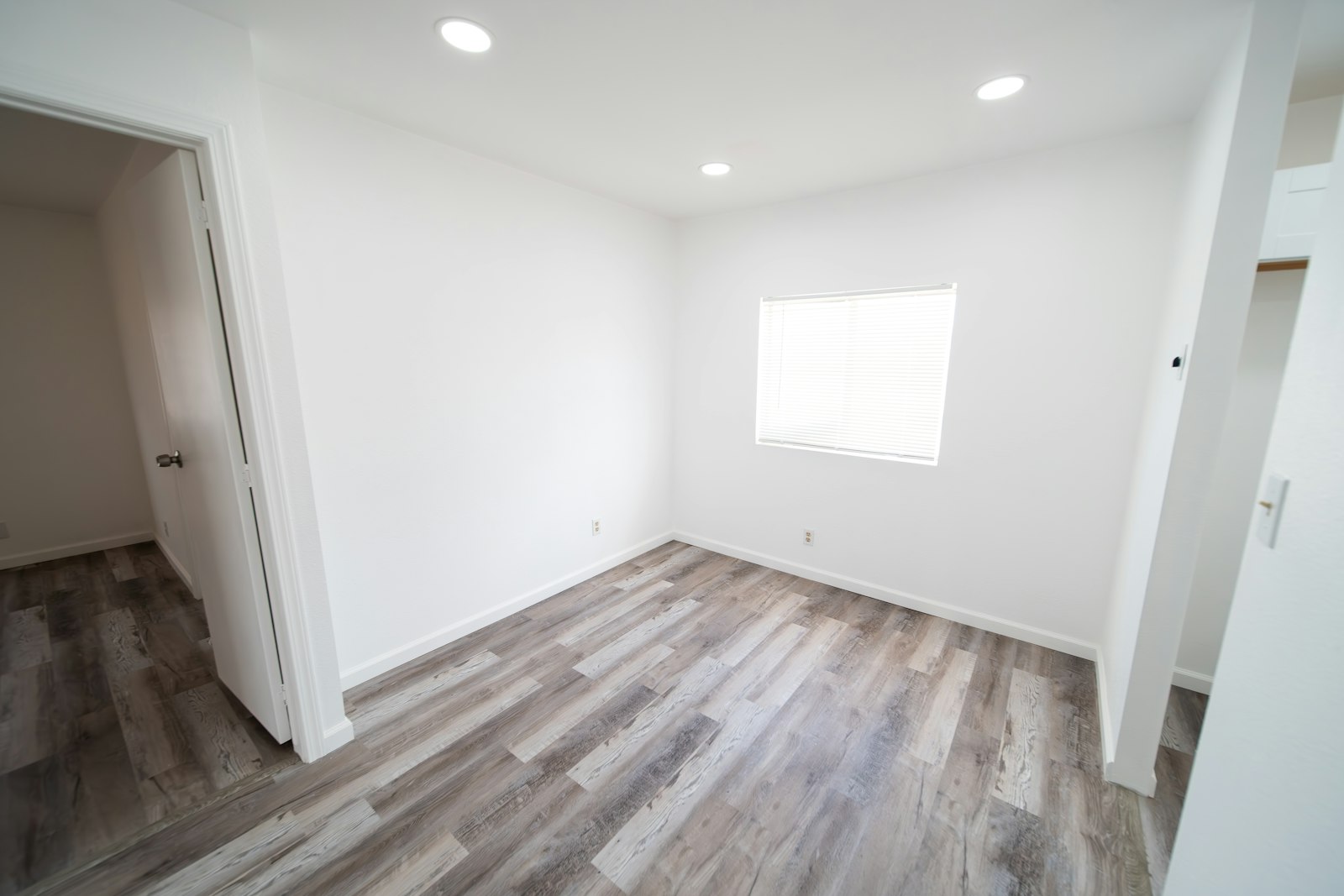
Walls are the quietest part of a home. We sit beside them, lean against them, hang our memories on them — and rarely think about them at all. They simply fade into the background of daily life, doing their job until, one day, they look a little tired in a way that’s hard to put into words.
That moment usually comes earlier in Singapore than most homeowners expect. Our climate is gentle on people and quietly unforgiving to paint, and if your flat has been whispering that it’s time, this is a guide to listening properly — and to deciding when a fresh coat is the right answer.
In a temperate country, a well-painted interior can hold its look for ten years or more. In Singapore, five to seven is closer to the truth, and high-traffic rooms often need attention sooner.
The culprit is rarely a single thing. It’s the slow accumulation of small ones — condensation around aircon vents, humidity creeping into corners during the monsoon, sunlight warming the same patch of wall every afternoon, the steady press of fingertips around switches and door frames. Each one is invisible on its own. Together, they shorten the life of every interior finish by several years.
HDB and condo living layers on a few extras. Cooking happens close to the living room. Walls share corridors with shared bin chutes. Renovation dust from a neighbour’s unit settles on every surface. None of it is anyone’s fault. It’s simply what walls quietly absorb.

Walls rarely fail loudly. They fade, soften, and lose their crispness in increments. Once you know what to look for, the signs are easy to spot.
Stand a fresh white sheet of paper against a wall you painted four or five years ago. The drift is often more obvious than you expect. Heat, sunlight, and airborne cooking residue all change the tone over time, usually toward a warmer, slightly yellowed cast. It doesn’t look dirty — it just no longer reflects light the way it used to.
A small scuff near the sofa, a smudge by the light switch, a faint shadow where the children’s school bags lean each afternoon. When a damp cloth used to lift these and now leaves a faint halo instead, the paint has lost its protective surface. You’re wiping into the finish rather than across it.
Concrete settles. Aircon corners expand and contract with daily temperature swings. Over the years, very fine cracks appear where ceilings meet walls or where two walls meet at the corner of a hallway. Most are cosmetic, but they catch dust, deepen quickly once they start, and signal that the surface is overdue for a refresh.
Slight peeling, soft bubbling, or a chalky residue around windows, balcony doors, or the wall outside a bathroom usually points to moisture having found its way in. A repaint here isn’t purely cosmetic — sealing the surface again with a proper anti-mould primer is what stops the problem from recurring.
Not every tired wall needs a full repaint. A small scuff near a light switch, a single corner with a hairline crack, a patch of wear behind a door handle — these are all worth fixing on a Sunday afternoon with a small pot of leftover paint and a fine brush.
A full repaint earns its keep when:
A good rule of thumb: if you’d feel slightly self-conscious about hosting someone for the first time in your living room, the room is probably ready.

It’s easy to think of a repaint as “rolling colour onto a wall.” The colour is the visible part. The unglamorous half is what makes the result last: covering furniture, sanding down old patches, filling small cracks, applying a primer suited to the surface, and giving each coat enough time to cure between layers. A proper job pays attention to the details most of us forget — the underside of a hung shelf, the strip behind a wardrobe, the edge of skirting where dust quietly settles. A finish only looks as crisp as its corners.
Timing helps, too. Singapore doesn’t have a painting season, but the drier stretches between monsoon spells let fresh paint cure properly without trapping moisture against the wall. The wet months aren’t impossible — they just ask for a little more patience, better ventilation, and a primer suited to humid conditions.
New furniture is exciting. New flooring is dramatic. A fresh coat of paint is none of those things — but it’s often the change that makes the most difference, because it lifts everything else in the room without rearranging a single piece. Light falls differently, the colours of your sofa look more themselves, and the space simply feels cared for in a way that’s hard to name.
If your home has been quietly asking for a refresh, Nimbus Homes offers professional painting services across Singapore, alongside our regular housekeeping, deep cleaning, and handyman work. Visit nimbushomes.com or head to book.nimbushomes.com to find a slot that fits your schedule.


.png)


