
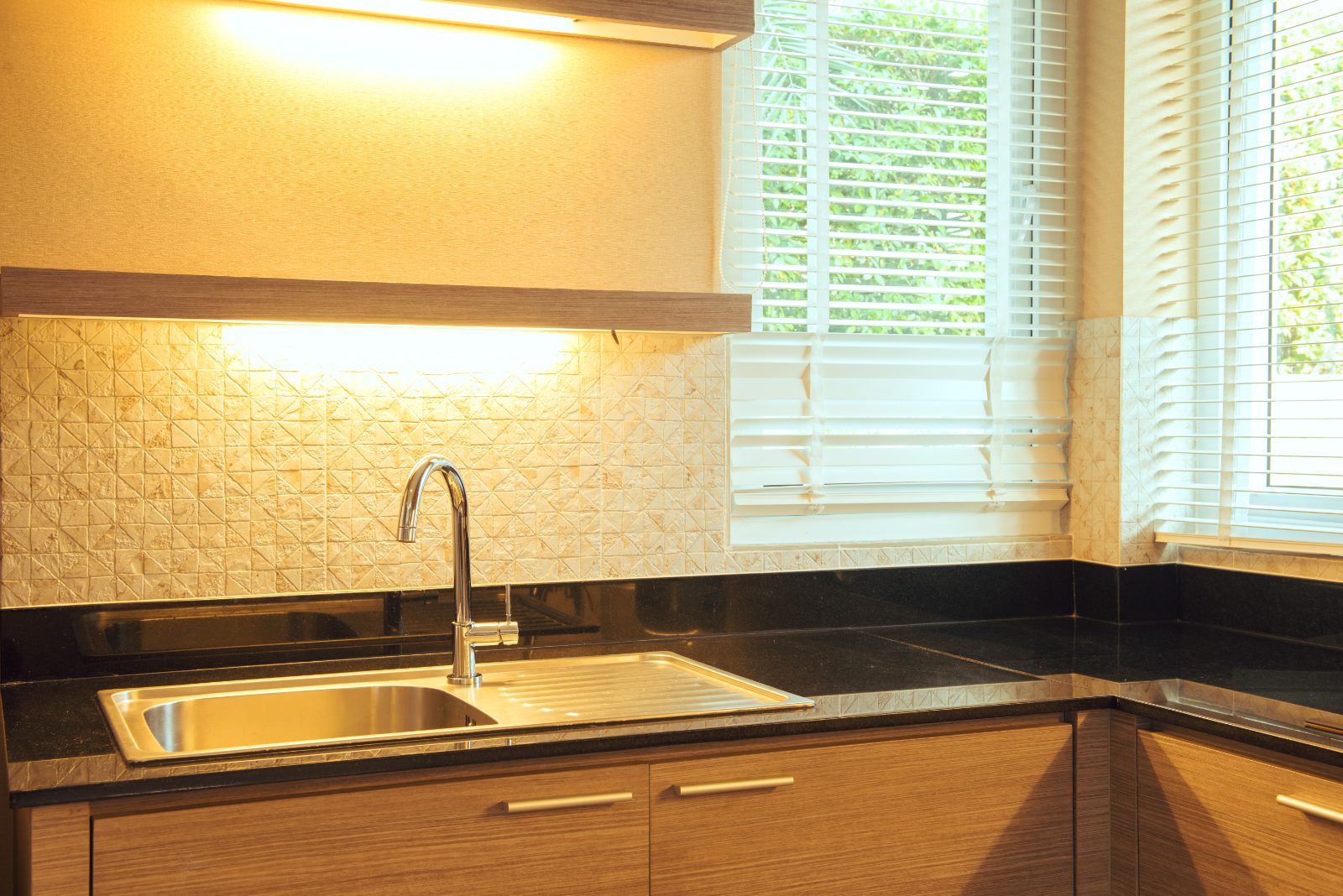
Singapore is hard on metal. Most of us know what the humidity does to leather bags and timber doors, and nearly everyone has a mould story. Rust gets far less attention — right up until a towel rail wobbles in its bracket, or an orange halo appears on the tile under the drying rack and refuses to wipe away.
The awkward part is that most of what we believe about rust is slightly wrong, and the slightly wrong bits are the ones that cost money. Here are five of them, and what to do instead.
It is stainless, not stainproof. Stainless steel stays bright because the chromium in the alloy forms a thin, invisible oxide layer that heals itself whenever it meets air. Damage that layer faster than it can repair, and the iron underneath behaves like any other steel.
Salt carried in on coastal air, chloride from the wrong cleaning product, and water that simply sits for days all do exactly that. The fine brown speckling that turns up on sink rims, dish racks and balcony railings even has a name — tea staining — and it is most common in warm, humid, seaside places. Which is to say, here.
The bathroom is only where you notice it first, because that is where metal and water are most obviously introduced to each other. Walk the rest of the flat and the list gets longer:
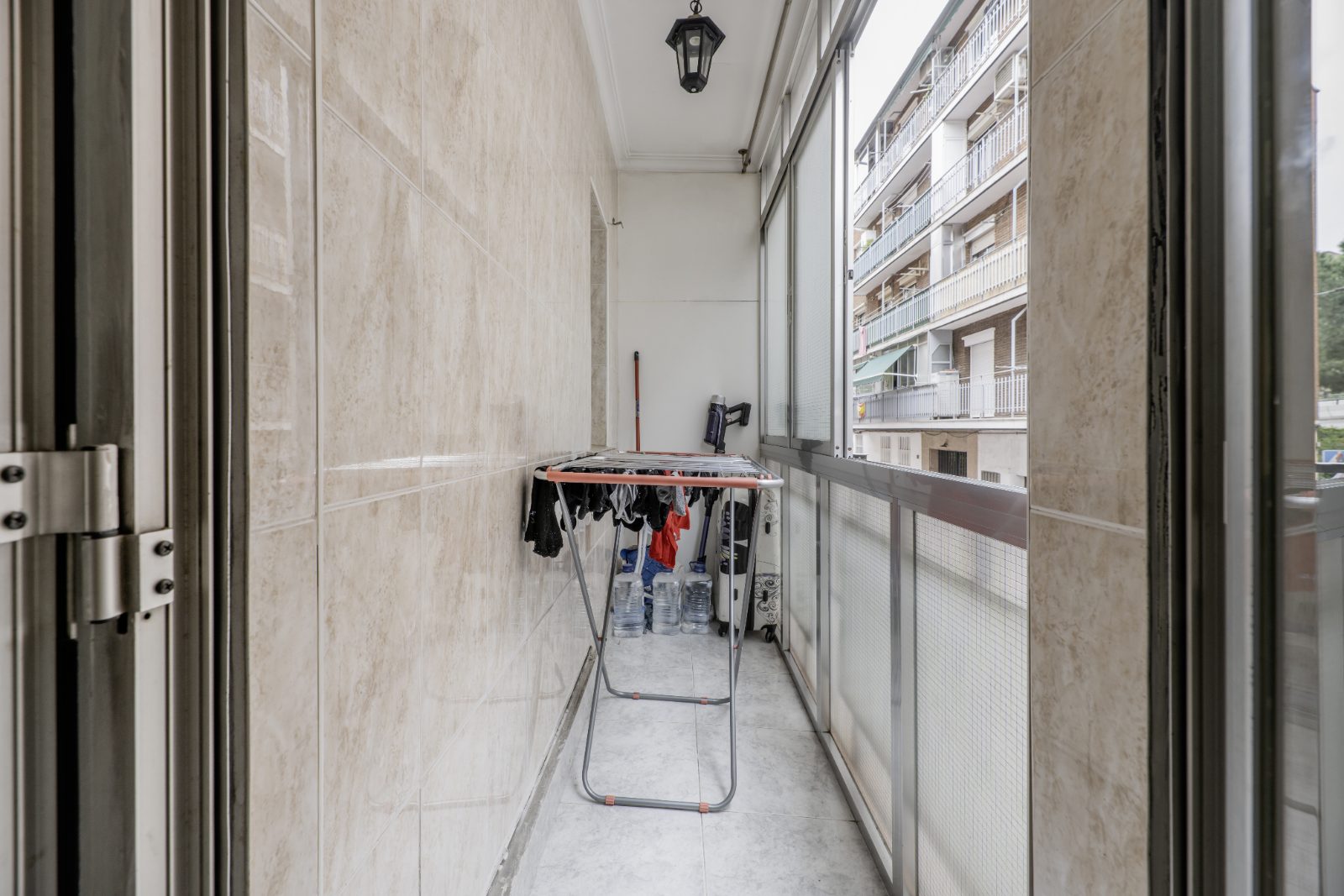
Rust is not a mark sitting on top of metal. It is a reaction eating into it, and it carries on for as long as moisture and air are available. It also takes up more room than the steel it replaced, which is why it lifts paint, swells joints and quietly works screws loose from the inside.
There is a second cost people miss. Left sitting on tile, grout or a stone worktop, iron oxide soaks in, and at some point the stain stops being something you can clean off. The cheapest day to deal with a rust spot is the day you first notice it.
Bleach is close to the worst thing you can reach for. Chlorine attacks the very layer that keeps stainless steel stainless, so a bleach soak often leaves more pitting than you started with. Steel wool and wire brushes cause their own trouble: they scratch the surface open and leave tiny iron fragments behind, which cheerfully rust on their own a fortnight later.
Surface staining usually lifts with a non-metallic pad and something mildly acidic — white vinegar, or a cream cleaner meant for metal. Rinse properly afterwards, then do the step almost everyone skips, which is to dry the thing completely. A damp cloth left draped over a tap overnight undoes the whole job.
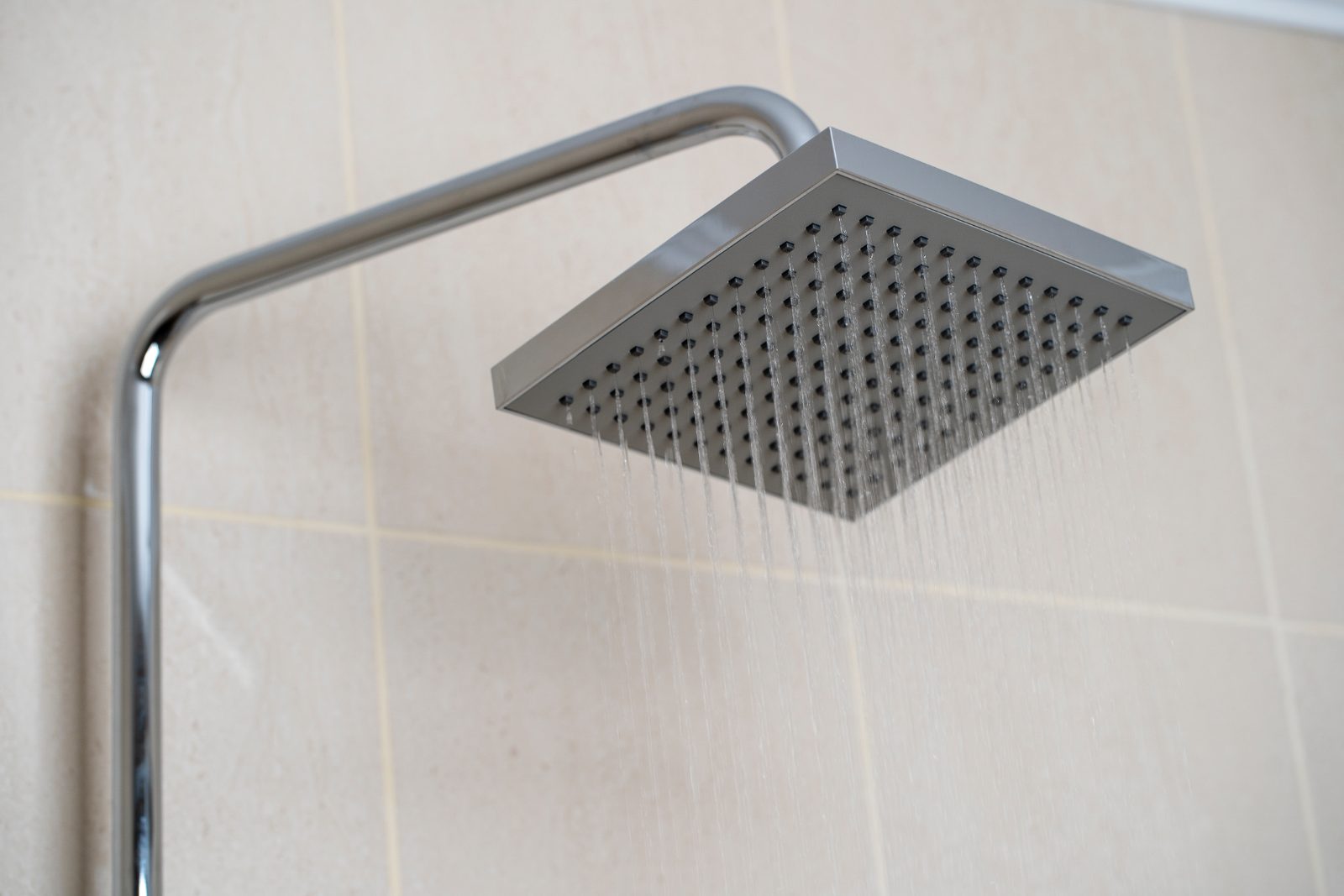
Humidity is the condition, not the trigger. What actually starts rust is liquid water sitting still, usually with a little salt or grit in it. You cannot do much about the weather, but you have a surprising amount of say over how long water is allowed to linger.
Wipe the fittings and the screen after a shower. Don't leave wet laundry hanging on a metal rail all night. Keep the service yard door open when it isn't raining, so air moves through. Damp is the shared parent of two different household problems — rust on the metal, mould on everything around it — so if one has appeared, go looking for the other. A wall that needs Mould Removal and a hinge that has started to bloom are usually saying the same thing about that corner of the flat.
Take a dry cloth round the flat and touch the metal you never think about: the underside of the tap, the hinge barrels, the rail in the service yard, the bracket under the sink. Anything damp, dry it. Anything already orange, deal with it this week rather than next month, while it is still only a stain.
For the grooves you can't easily reach — window tracks, hinge pins, the back of the sink cupboard — a visit does more than a weekend of good intentions. Regular Housekeeping Services keep surfaces dry and grit-free week to week, while Deep Cleaning reaches the corners damp likes best. If your flat could use either, book your next clean and let someone else go hunting for the orange.


