
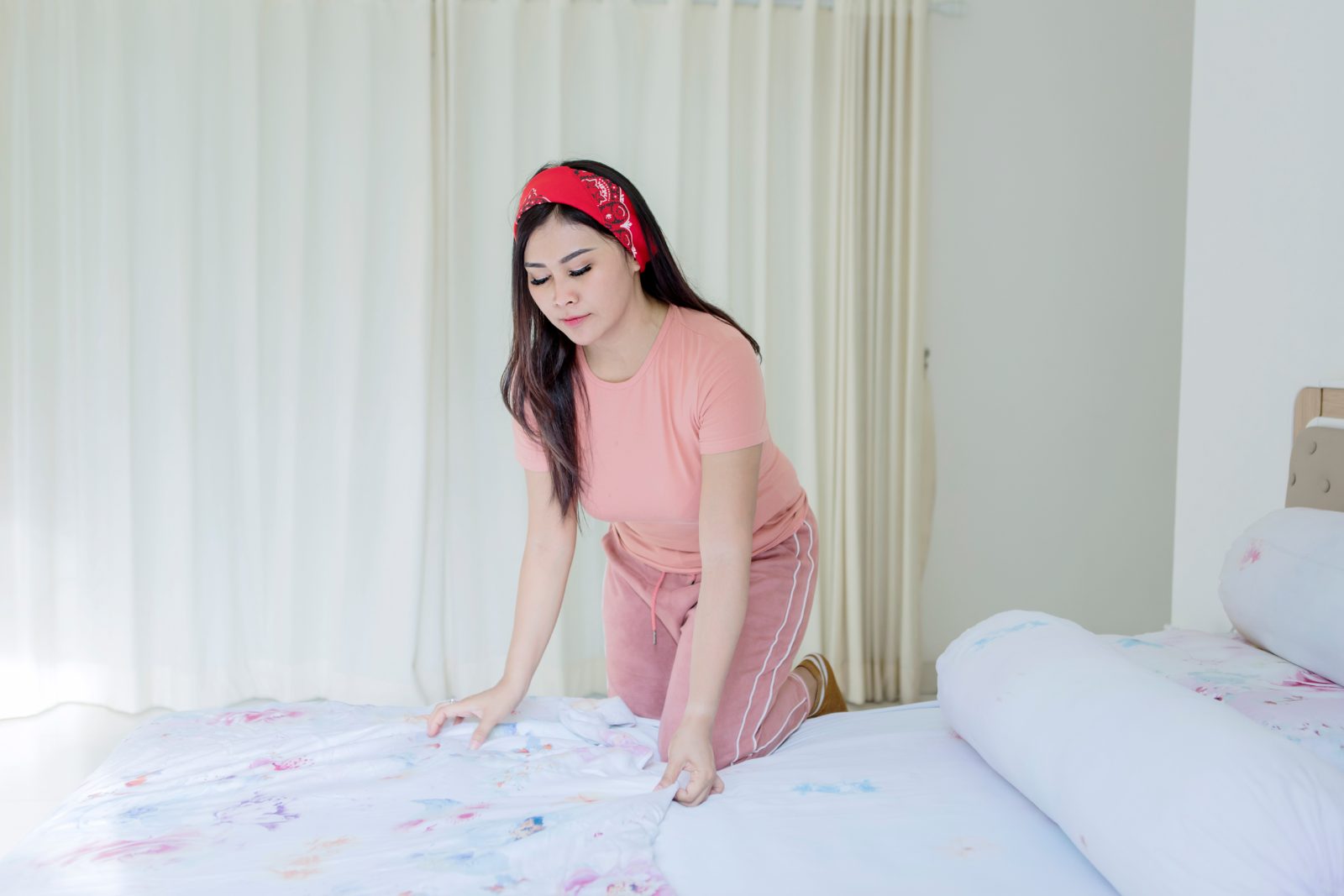
There is a compartment in your flat that you open less often than the oven, and you sleep on top of it every night. In a home where square footage is precious and the wardrobe filled up years ago, the space under the bed does a great deal of quiet work. Most of us treat it the way people in colder countries treat a loft. Things go in. Very little comes out.
It is worth opening — not as a tidying exercise, but because that space behaves differently from the rest of the bedroom. It is the one part of the room with almost no moving air, and the things kept there are the last to tell you when something has gone wrong.
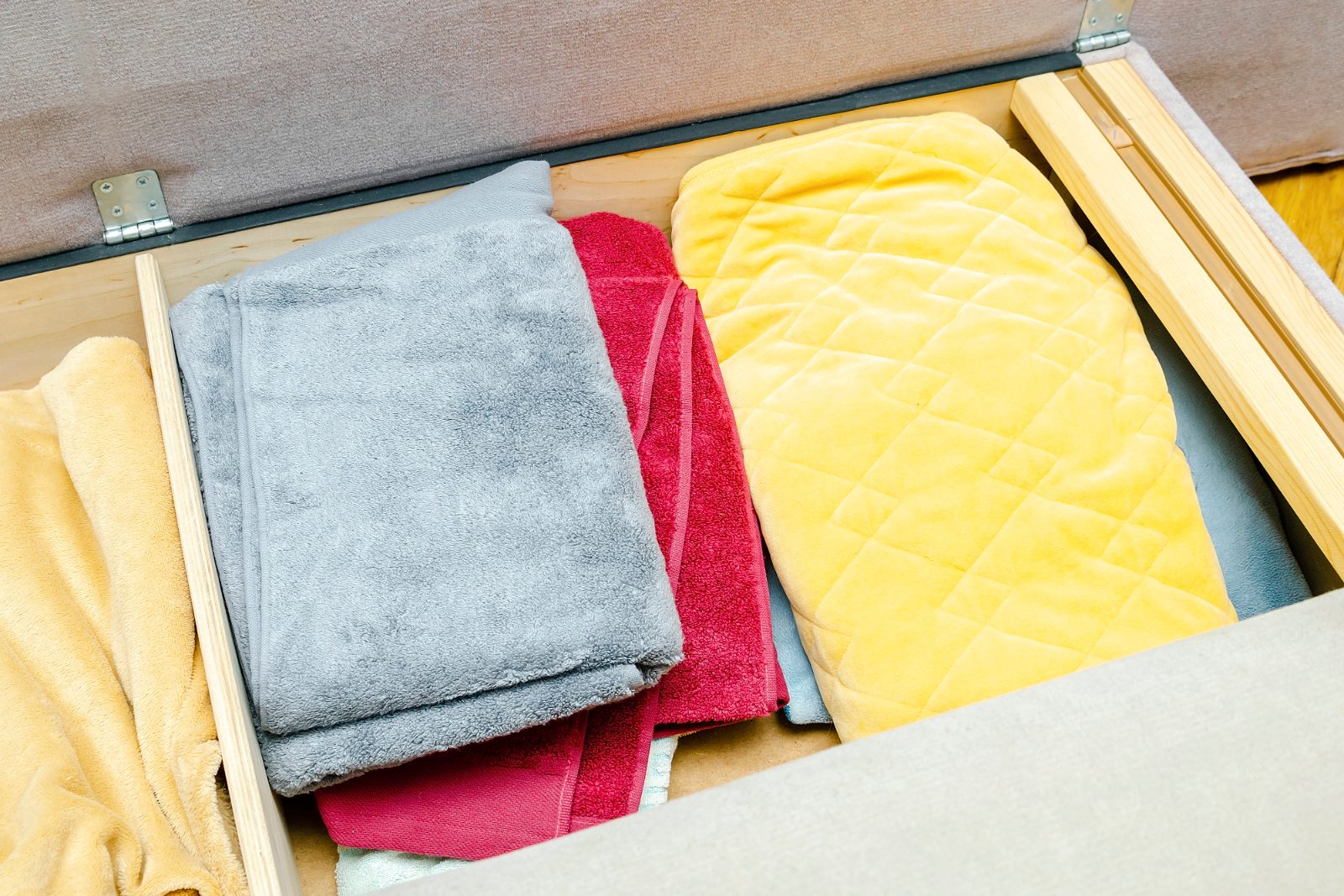
Whether yours is a hydraulic base that lifts, a row of pull-out drawers, or simply the gap under a slatted frame, the inventory tends to be the same. A suitcase from a trip two years ago. Spare bedding. Shoe boxes. The standing fan you put away in January. A plastic folder of documents nobody has needed since the flat was collected. All perfectly sensible things to store. None of them ventilated.
Here is the part that catches people out. A closed bed base is a small, still volume of air sitting directly underneath a body that gives off warmth and moisture for eight hours a night, in a climate where the air is rarely dry to begin with. Fabric, leather and cardboard all take that moisture up and hold on to it. It is why a suitcase that smelled of nothing when you bought it smells of something else entirely when you unzip it, and why the corners of canvas bags go faintly speckled while the rest looks fine.
Lift the last box out and you are looking at the underside of your own mattress, which is almost certainly the one surface in your home you have never inspected. On a solid base there is no airflow beneath it at all. On a slatted base there is a little, though the slats sit above whatever you have stored rather than above open air.
What settles there is dust that has drifted down through the bedding over months and worked into the seams and piping, along with the moisture the room hands it every night. Vacuuming the top of a mattress does nothing for any of it. Standing the mattress on its side, vacuuming the underside and the base, and leaving the room to air with a fan running is genuinely worth a morning of your time. What a household vacuum cannot do is reach past the surface into the fill, which is the job Sofa & Mattress Cleaning exists for.
If the speckling turns up on more than one stored item, or on the lining of the base itself, treat that as a different problem from dust. It has found something to feed on and it will not politely stay inside the box. That is a job for Mould Removal rather than a cloth and a hopeful spray.
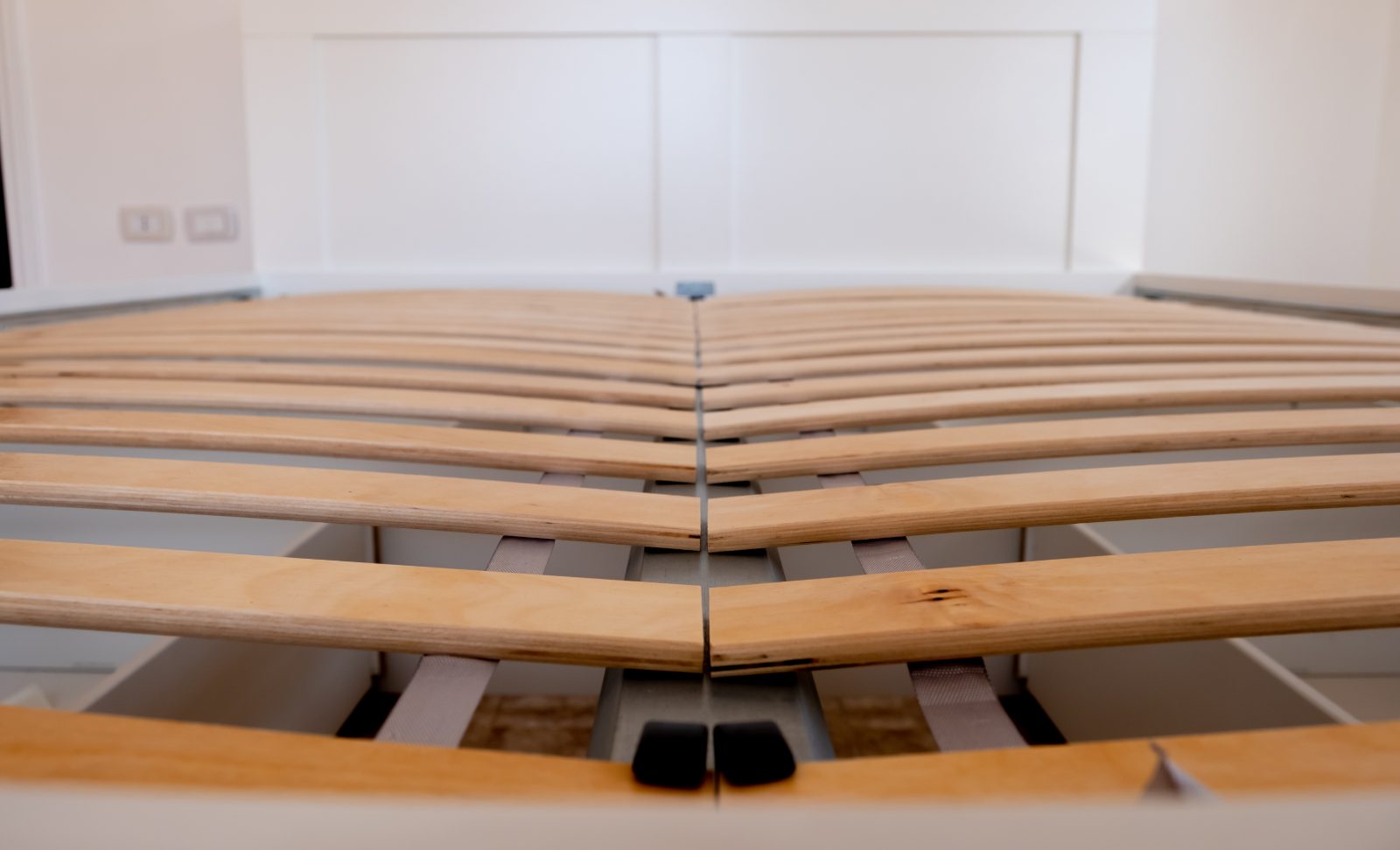
While the bed is open you also have a clear run at the floor beneath it, which is the one stretch of the bedroom a mop tends to go around rather than under. Hair, corridor grit and the fine grey dust that gathers wherever nothing disturbs it all live there, and they are the reason a freshly cleaned bedroom can still feel faintly dusty by the following week.
Do that once and the bed stops being a cupboard you are slightly afraid of. If what you find is more than a morning's work — a mattress that needs more than a vacuum, spotting on the base lining, floors that have not been properly reached in a while — that is the moment to hand it over rather than put the boxes back and close the lid. A Deep Cleaning session or regular Housekeeping Services will get to the parts of a bedroom that a weekend rarely does. Lift the bed this weekend, see what is under there, and if it is more than you fancy, book your next clean and let someone else finish the job.


.png)


