

There is a small moment at the start of every housekeeping visit that nobody ever photographs. The housekeeper steps in, sets the caddy down, and does not immediately start cleaning. For maybe thirty seconds they simply look — and the direction they look in is almost never the direction you would.
You would look at the floor, because the floor is where the mess is. A trained eye goes up first, then along, then down. Not because the ceiling is dirtier than the floor, but because it is not looking for mess at all. It is looking for evidence.
Mess is what you made this week. The shoes by the door, the laundry on the chair, the mug beside the sofa. It is loud, it is obvious, and it disappears in ten minutes. Evidence is what your flat has been doing quietly for months: a grey bloom in the ceiling corner furthest from the window, a dull band across the floor on the route everyone walks, a faint amber film on the wall beside the hob.
Mess tells you about your week. Evidence tells you about your flat. So the professional habit is to walk straight past the mess — it will be gone shortly anyway — and go to the things that took a season to form. It is also the clearest way to understand why deep cleaning is a different job from a weekly tidy: one deals with the week, the other with the year.
Ask most of us to clean a wall and we will clean the middle of it. The middle of a wall is almost never the problem. Dirt gathers where two things meet: tile against grout, worktop against splashback, skirting against floor, window frame against glass.
There is a reason, and it is not carelessness. A junction is a change of material, which usually means a change of texture plus a small physical trap — a lip, a seam, a bead of sealant, a couple of millimetres of shadow. Moisture settles there, dust sticks to the damp, and the whole line sits just outside the path of every cloth that has ever crossed that surface.
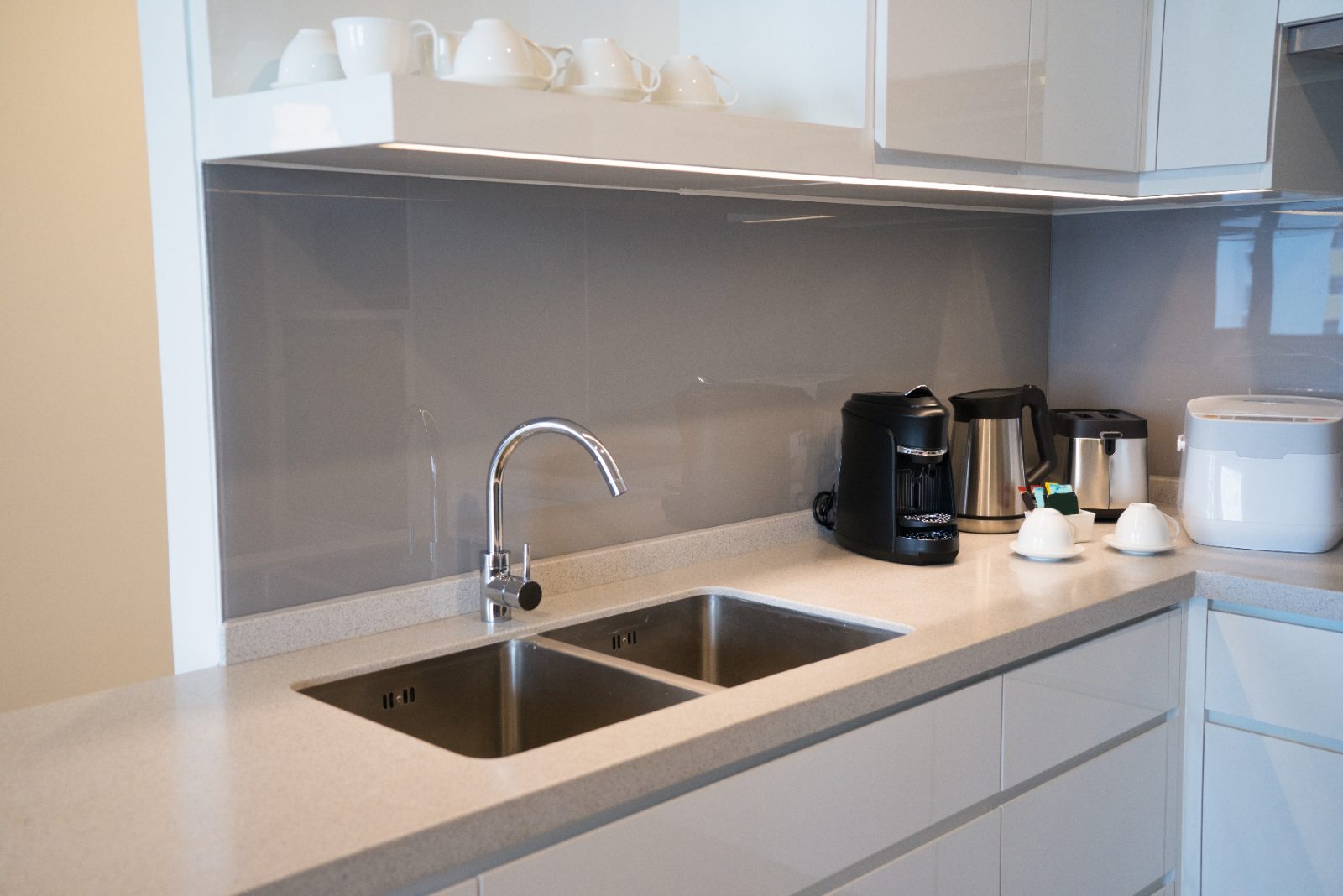
The second habit is stranger to watch. A housekeeper will crouch at the sink to look at the underside of the tap where it meets the counter. They will tip the bin lid back rather than wipe its top. They will run a thumb along the lower lip of a cupboard door instead of its face.
Undersides hold the evidence because undersides are the only surfaces in a flat that nobody has ever cleaned by accident. The top of everything gets wiped eventually, if only because somebody put a bag down on it and picked it back up. The bottom of everything does not.
None of this needs training. It needs knowing where to look, and about two minutes.
If one of those surprises you, good. You now know something about your home that you did not know before breakfast.
Some of it is a cloth and five minutes, tonight. A grey junction behind the kettle, a dusty door top, a sticky tap base — those are yours, and they are unreasonably satisfying to put right.
Some of it is not. A bloom in a ceiling corner that keeps returning after you wipe it has gone below the surface, and that is what mould removal is for. Floors that have gone dull in a band rather than dirty in patches have a problem a mop cannot reach, which is the whole point of floor deep cleaning. And if the list you have just made is longer than the evening in front of you, that is the honest case for regular housekeeping: not that you could not do it, but that somebody who looks at homes all day will spot the things you walked past.
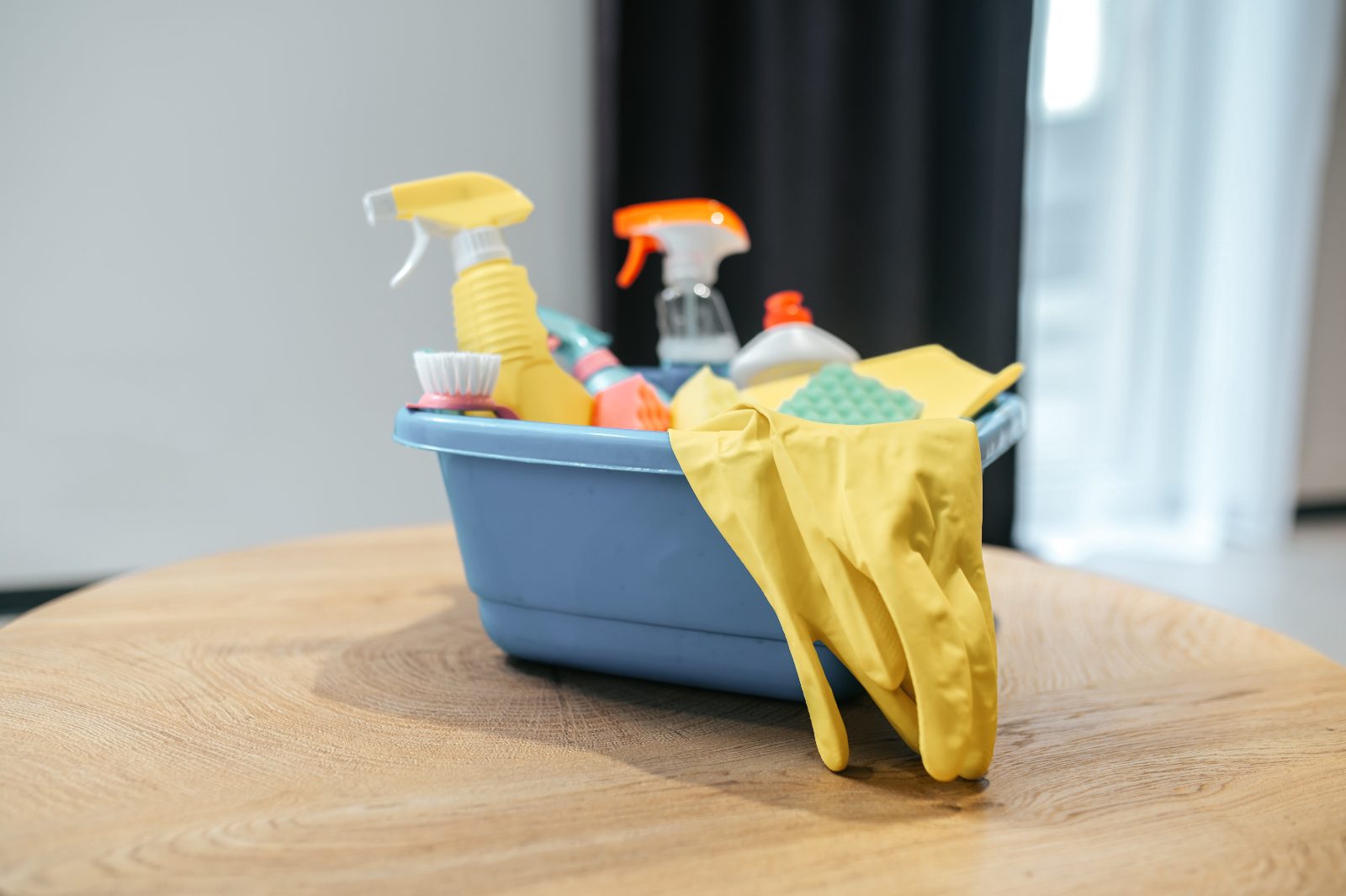
The looking costs nothing, so do that part tonight. Then book your next clean and hand over the half you would rather not kneel down for.


