

You mop the floors. You wipe the counters. You might even clean behind the toilet (no judgment if you don't). But there's one thing quietly doing the most work in your home — running for hours every day, blowing air across every surface, and silently collecting everything it catches — and most of us barely look at it twice. Your aircon, it turns out, might be the dirtiest thing in your home.
In Singapore's heat, aircon isn't a luxury. It's practically life support. Which makes what lives inside those units... worth knowing about.
Your aircon filter is designed to catch dust, debris, and particles floating through your home's air. It does this job faithfully — until it gets so clogged it can't do much else. At that point, it starts working against you.
Beyond the filter, the evaporator coils, drainage trays, and internal blower fans can accumulate mould, mildew, and bacteria — especially in a tropical climate where humidity is basically our default setting. If you've ever noticed a musty smell when you first switch on the aircon, that's not just stale air. That's what's been quietly growing in there since your last service (or, let's be honest, longer).
Some signs are obvious, some less so. Here's what to watch for:
If more than two of those sound familiar, your aircon is well overdue for some attention.
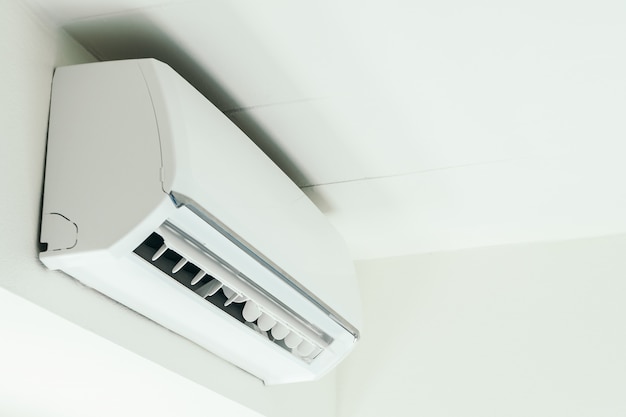
A proper professional clean goes well beyond wiping the front panel (which, to be fair, is what most of us do). A thorough service typically covers:
A chemical wash goes even deeper — dissolving built-up grime and mould that a standard service can't reach. It's recommended less frequently, but it's a game-changer for units that haven't been serviced in a while or those showing persistent issues.
The general rule of thumb for Singapore homes:
If you have young children, elderly family members, or anyone with asthma or allergies at home, erring on the more frequent side is genuinely worth it. Clean air is invisible — you only really notice it when it isn't.
You don't need to dismantle the unit yourself (please don't). But a few simple habits help keep things running cleaner between professional visits:

None of this takes more than a few minutes, but it adds up to a unit that lasts longer and air that's noticeably fresher.
At the end of the day, we tend to clean the things we see. The aircon — high up on the wall, quietly doing its job — is easy to ignore, right up until it isn't. A little regular attention keeps it running well and keeps the air in your home actually clean, not just temperature-controlled.
If it's been a while and you're not sure where to start, a professional aircon service is one of the highest-impact, lowest-effort home maintenance tasks you can do. Your lungs (and your electricity bill) will thank you.


.png)


